Latest Posts

#TBT: Death Valley

#ThrowbackThursday: Each Thursday, I revisit a past adventure and publish more of the story than made the first cut.. Beginning the series, I will be recounting parts of the Gypsy Trip – a cross-country endeavor in 2010.  

I really love Thursdays. Its the day that – even though its still within the work week – I get to go on a little adventure. Sure, I’m still technically stuck at my desk watching the clouds roll by outside my window, but for a few minutes I can pull out some old video and relive some pretty amazing adventures. This week we’re traveling back to Death Valley.

It’s hot. It’s dry. It’s dusty. It lives up to its name. But it is also beautiful.

Like just about everywhere I’ve ever been, I want to go back to spend more time. We really only made one stop off on the Gypsy Trip and that was at Zabriskie Point. There was a reason for this that I went into greater detail on the first telling of this story. Without rehashing too much, it was the setting of a cult classic Amanda – one of my travel partners on that trip – had seen. It involved stealing a jet, an orgy in Death Valley and then crashing the jet. Since Amanda’s YouTube channel is gone, and along with it the video, I thought I’d put up my version of the story. It’s ridiculous, and therefore awesome. Amanda is the blonde narrating at the end of the clip; my brother Cory is the guy helping her with the reenactment.

Also in this week’s video are a few snippets of video that I finally edited down. You’ll get some scenic vistas of dusty Death Valley, some complaints from me about needing to “Q.” (Because we felt like we had better manners if we weren’t constantly complaining about how badly we needed to find a ladies room in the middle of nowhere, and called it “Q” instead of “P.”)

Abandoned motel finds new life

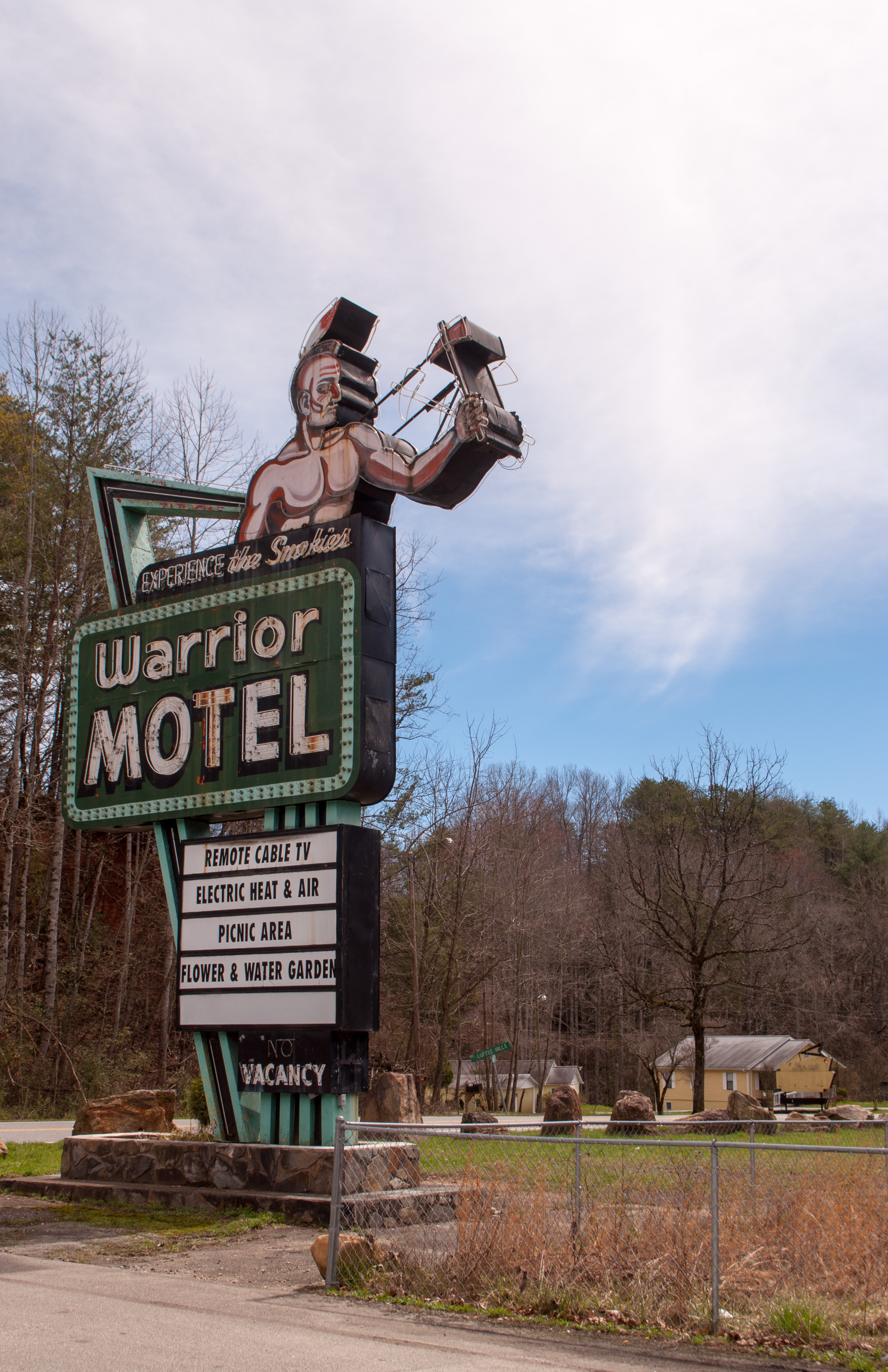
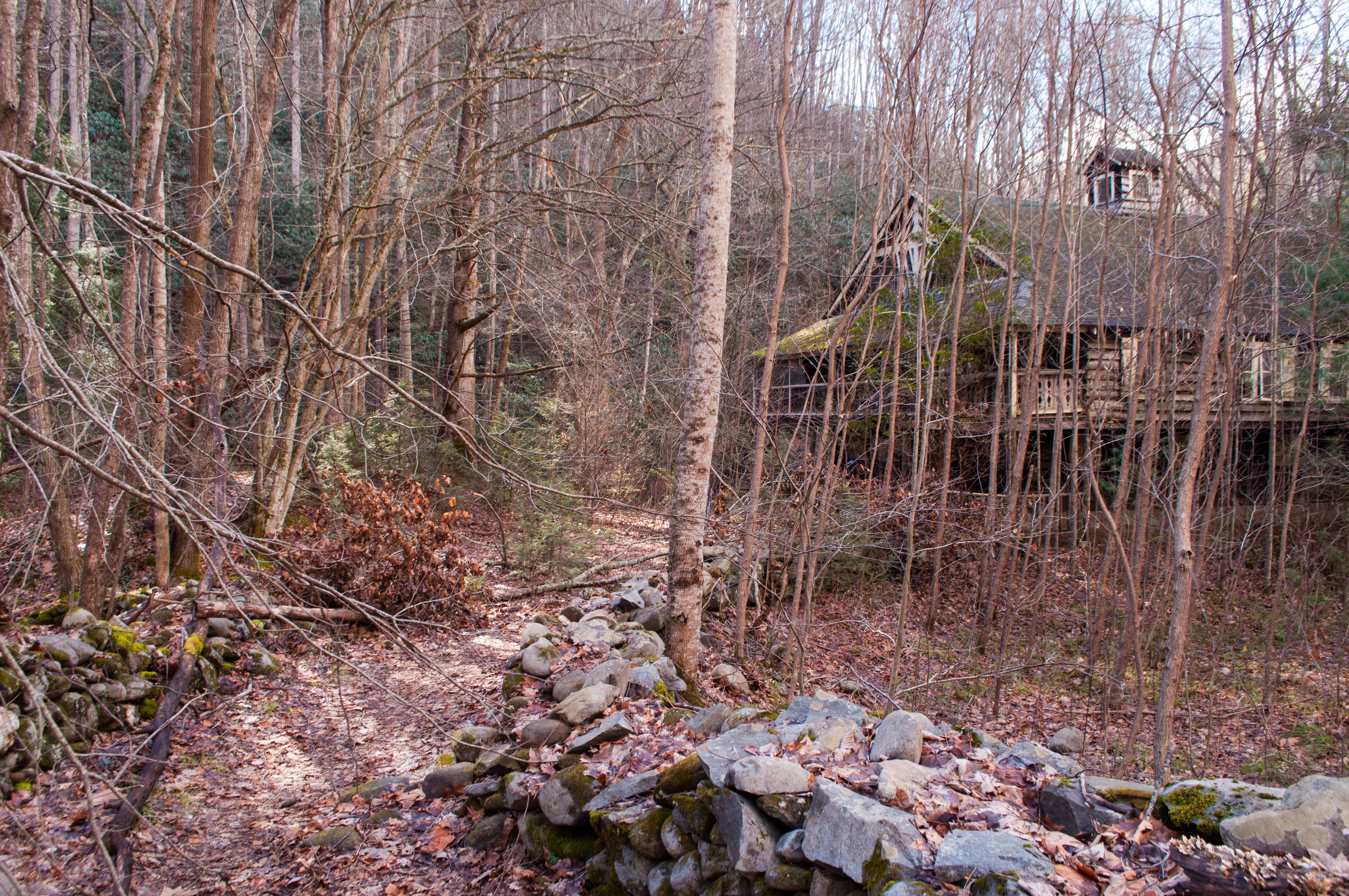
The Warrior Motel is one of the abandoned motor courts around Bryson City and Cherokee, NC.  Now, a local shop owner has purchased the property and operates out of the front of the motel.

The Warrior Motel is one of the abandoned motor courts around Bryson City and Cherokee, NC. Now, a local shop owner has purchased the property and operates out of the former front office of the motel.

There is something about roadside motor courts that call to me. I’m not talking about motels, your Best Westerns or your Holiday Inn Expresses. I’m talking about a motor court. The kinds of places that had neon signs shouting at passing travelers to stay the night. The kind of place that advertised their water gardens and had a family-run diner on the lot. The kind of place you stopped when you were driving your spanking-new Mustang along Route 66 on your way to California.

If you want to see these today, you have to get off the interstates and hit the blue highways. Many of the remaining motor courts left standing are abandoned and in disrepair. But if you listen closely, you’ll hear them. They whisper, “I used to be a cool cat. People had a groovy time in my water garden.”

So I’m a little rusty on my 1960s slang. But you get the idea. Beyond the cracked pavement and busted gutters, you can see it: An old-school muscle car roars into the lot, chrome gleaming in the sun. A mother in her cat-eye sunglasses slathers on oil poolside while Junior and Joanie splash around. A road-weary salesman in a rumpled suit slurps coffee in the diner. The glory of the American Road trip at its height.

They just don't make signs like this anymore.

The sign for the Warrior Motel will get your attention. It features a brave holding a tomahawk that used to move back and forth. Behind that, you’ll see where the water garden used to be. There is still an umbrella shrouded in weeds marking its place. The pavement is cracked and growing a weed garden now.

For an abandoned motel, the entire property is really in remarkable condition. Although, to be fair, the motel is no longer abandoned. It is also no longer a motel. A local shop owner has set up in what used to be the front office. She carries antiques and random wares – including some nice pieces of furniture and a fantastic chandelier I would have bought if I had somewhere to hang it.

My picture isn't great, but if you look closely, can you can see that white spot on the right? That's the remaining umbrella where the pool used to be.

My picture isn’t great, but if you look closely, you can see that white spot on the right. That’s the remaining umbrella where the pool used to be.

According to one blogger who visited the Warrior Motel in 2010, it was abandoned in 2006. But even looking at another visitor’s photos from November 2014, the property still wasn’t in as bad condition as I would expect. You could tell that animals were coming in and out of the open doors, but overall damage really wasn’t that bad.

Comparing my photos with the November visitor’s, I can tell that there has been a hefty amount of cleanup. Some of the rooms are still full of beds, but some of them have been cleared. I’m curious to see how the current owner of the Warrior Motel continues its restoration. I didn’t ask what her plans were for the place, but I hope whatever she does, she leaves its character in tact.

#TBT: Yellowstone National Park Part 1

#ThrowbackThursday: Each Thursday, I revisit a past adventure and publish more of the story than made the first cut.. Beginning the series, I will be recounting parts of the Gypsy Trip – a cross-country endeavor in 2010. 

My first trip to Yellowstone National Park was too freaking short. My second visit to Yellowstone was too freaking short. I really think that no matter how much time I have to spend at Yellowstone, it will be too freaking short.

I really wanted to get my video edited from the second trip, but I didn’t get that far this week, so you will have to sate your appetite with my old flip cam video until I can get the rest of it put together. It’ll probably be at least another week; the weather has been so nice that I’ve been spending more time outside having adventures than at a computer splicing them together. The constant rain this week is keeping in indoors and helping me get caught up on work.

But back to Yellowstone. It’s the Big Daddy of the American National Park System and does us proud. I find it so interesting because it has so many different geological formations – there’s geysers, hot springs, even the Grand Prismatic Spring – that in two visits to the park I STILL haven’t seen! Seriously, I don’t know why I keep missing it. And of course, there’s Old Faithful.

My favorite thing about the park is the wildlife. No other park I’ve been to has shown me so much diversity. There’s bison – not buffalo, those are only in Africa and South Asia – elk, and bears. Thankfully, I haven’t met a bear yet. If I did, whatever bear safety research I did before my last trip out west would go right out through my ears and I’d get eaten.

How to hike with busted lungs

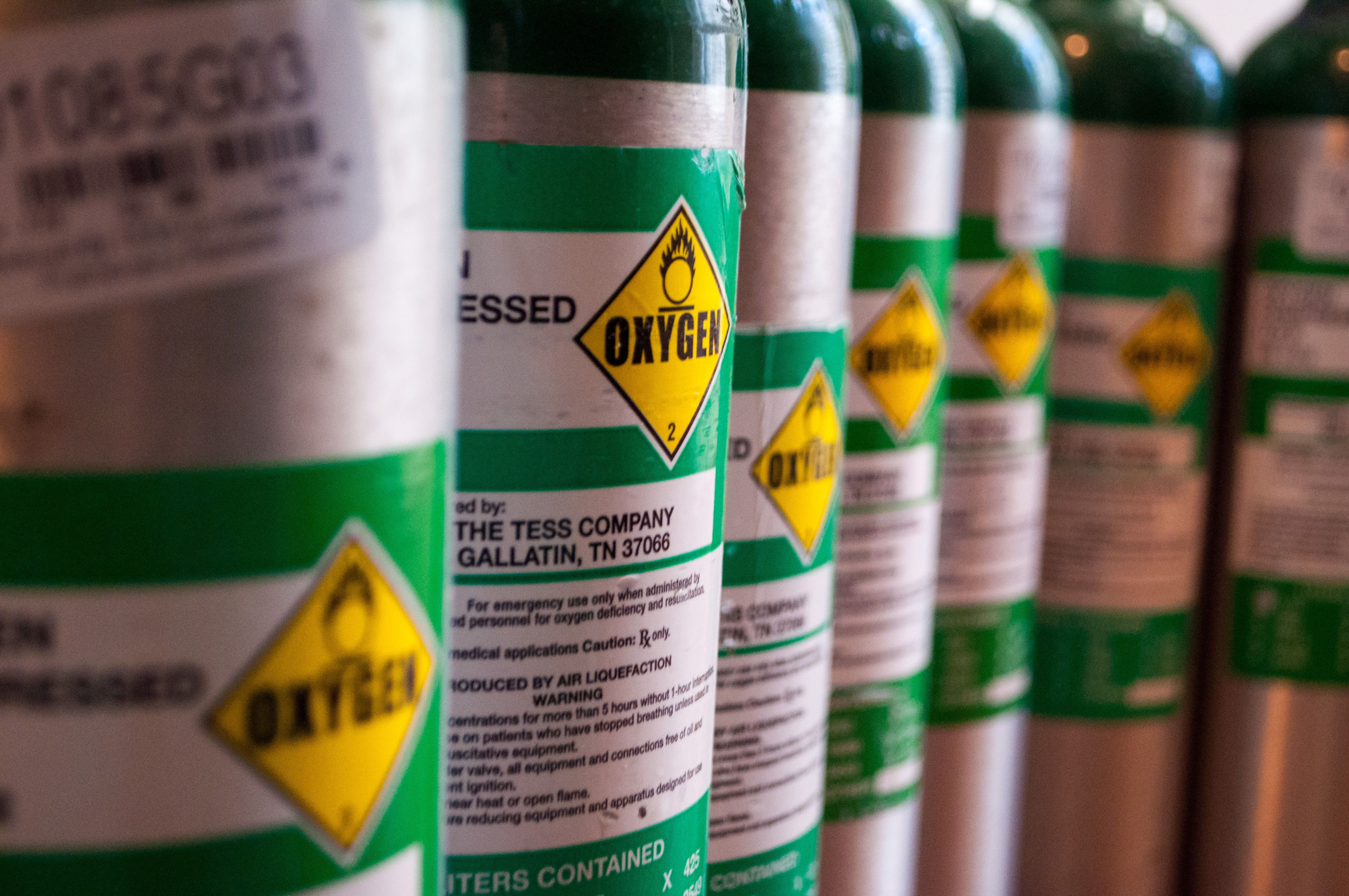
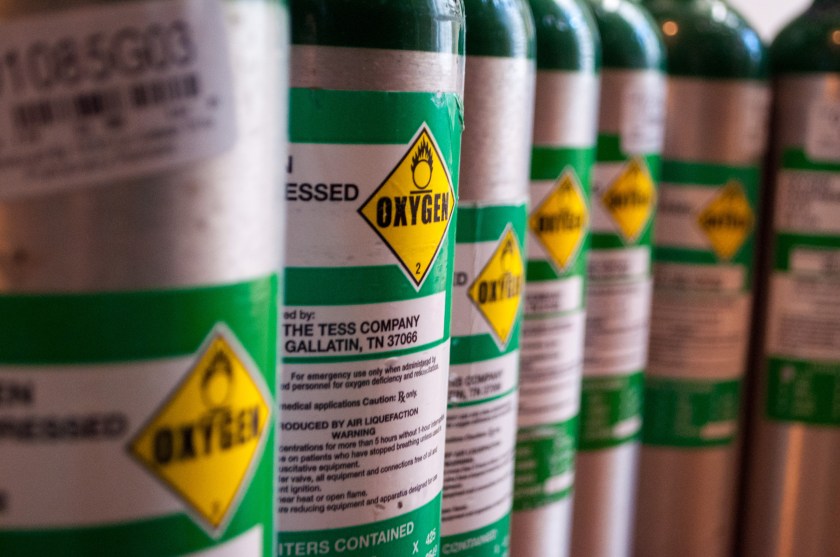
My collection of necessities for hiking includes tanks of oxygen,  a pulse oximeter to monitor my oxygen levels and a hound dog.

My collection of necessities for hiking includes tanks of oxygen, a pulse oximeter to monitor my oxygen levels and a hound dog.

Its pretty well established on this blog that I love road trips and hiking. They are just about my two favorite activities. So you’d think – as I did – that busted lungs means no more hiking, right? WRONG. I just needed some “modifications.” You know, like the bionic woman.

So what does one need to hike with busted lungs?

  1. Oxygen: Enough to cover the distance
  2. Backpack: To carry oxygen and other supplies
  3. Pulse oximeter: To measure oxygen levels
  4. Timer: To keep track of how much time/oxygen is left
  5. Fitbit: To measure my distance/steps taken so I feel super accomplished
  6. GoPro: For documenting the inevitable trip and fall
  7. Hound Dog: Because what fun is a walk in the woods without being dragged after a squirrel?

So, if you’re like me six months ago, your oxygen therapy knowledge extends to wearing a tube on your face and kids looking at you funny. While those things are true, there is actually a lot more to it. There’s different kinds of tanks, regulators, and concentrators and they all do different things. I like the smaller tanks because they’re easier for me to slip in a bag and sling around. Obviously they give me less time per tank, but mobility is more important to me. I’m not into dragging a wheelie cart behind me with a giant, green tank laying on it.  I’m trying to keep what’s left of my dignity.

The side mesh pockets on my pack are perfect for holding my pulse oximeter and wrench for my oxygen tanks.

The side mesh pockets on my pack are perfect for holding my pulse oximeter and wrench for my oxygen tanks.r

Of course, there is a higher-tech option to using these canisters: a portable oxygen concentrator. These small machines that make oxygen sound like a great idea. Instead of having to deal with oxygen deliveries every week and having only about an hour before I need to replenish, I can have a battery operated machine that just needs juice and I can go on forever! Plus, several portables are approved by the FAA for use on planes, whereas the tanks definitely are not.

Added bonus: If the ads for portables are to be believed, getting one will give me my life back! I can bake cookies with my granddaughters, go fly fishing with my grandson, attend birthday parties in the neighborhood, play my guitar on my front porch and work on my motorcycle in the garage. Where do I sign?!

Can you tell these products are not marketed for an almost 30 year old?

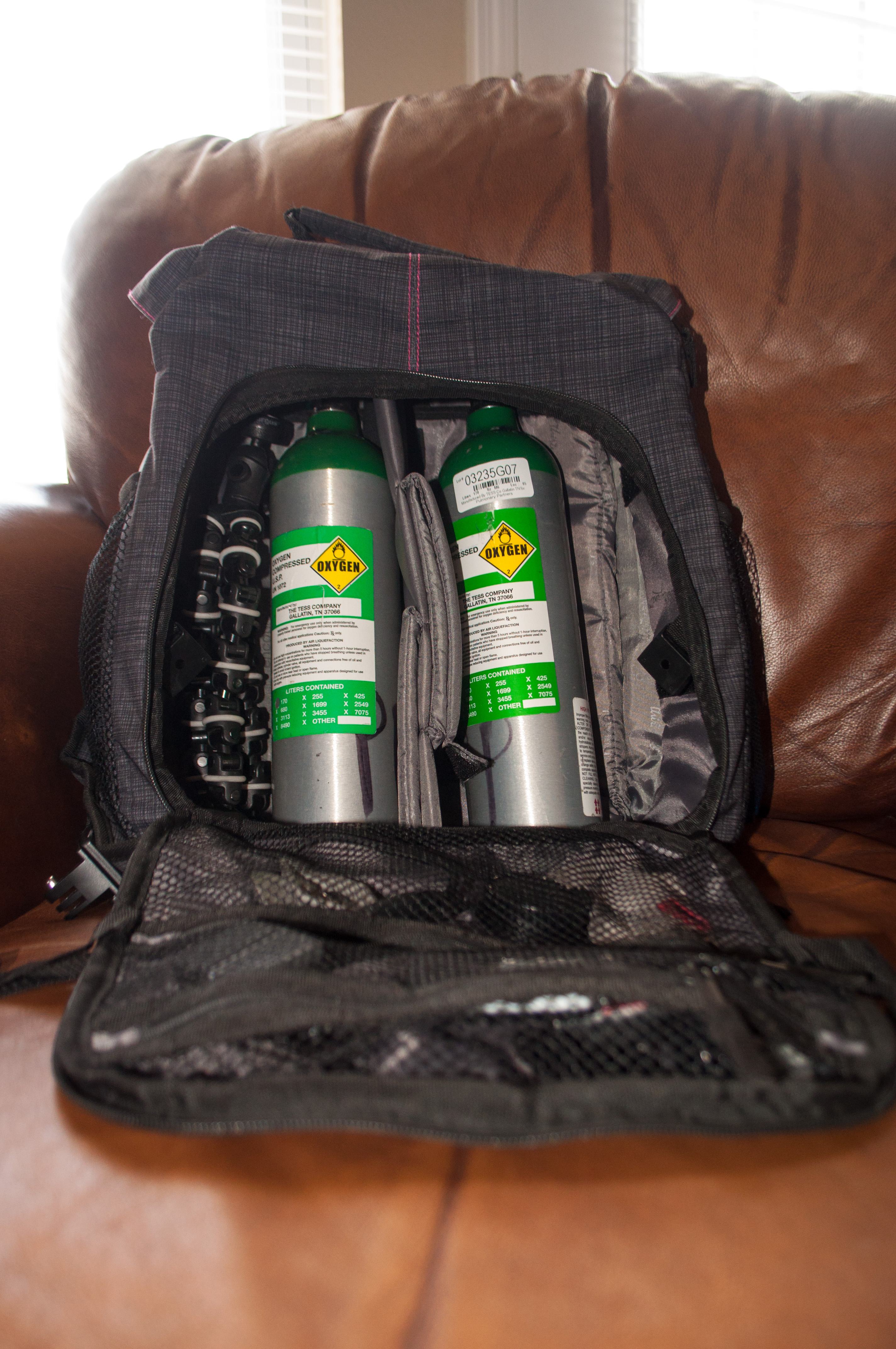
Oh, yeah. Double-barrel action for those longer hikes.

Oh, yeah. Double-barrel action for those longer hikes.

The solution that’s working for me right now ended up being a little closer to home. I already had an organizing pack I bought from Thirty-One a couple of years ago that I modified to use as a camera pack. (I don’t think its still being offered, but I did find some listings on eBay, if you’re interested in the bag.) The dividers didn’t seem padded or sturdy enough to hold my camera and lenses, so my crafty Mom made some extra padding and dividers for the inside of the bag for me. For hiking, I just fold some of the dividers down and viola! Instant oxygen pack. I can slide one canister in and leave the other side for my cameras and gear or lay down all the dividers and get some double-barrel action. If I’m really feeling adventurous – and like carrying around all that weight – I can use some more of my homemade dividers and slide a third tank in the pack and get about three-and-a-half hours of continuous oxygen.

Plus, the backpack strap has a loop on it that is tailor-made for clipping on a GoPro. Make an ad about THAT, oxygen marketers.

My Sjogren’s Story

Sjogren's Syndrome is an autoimmune disorder in which the body's white blood cells attach moisture producing glands, most commonly in the eyes and mouth. But it can have more serious complications and be hard to diagnose.

Sjogren’s Syndrome is an autoimmune disorder in which the body’s white blood cells attack moisture-producing glands, most commonly in the eyes and mouth. But it can have more serious complications – like attacking your lungs and landing you on oxygen therapy.

I’m not one to jump on bandwagon decorated with colored ribbons, or start plastering social media with awareness campaigns. Usually, I’m of the opinion that all the ribbons and campaigns and marches and walks and fundraisers do less to raise awareness of something and more to annoy me. Don’t get me wrong, I think the intentions behind these efforts are fantastic. I just get inundated with them and therefore tune them out, making the entire point of an “awareness campaign” moot. But I digress. I’m going to make an exception and pay attention to at least one of these campaigns. April is Sjogren’s awareness month.

“Sho-what?” you might say. Don’t worry. I said the same thing when I was diagnosed.

SHOW-grins Syndrome is an autoimmune disorder typically characterized by dry eyes and dry mouth. Seems pretty innocuous, right? Dry eyes? No big deal! Get some drops. Dry mouth? No sweat! Just keep a bottle of water handy. At its most basic level, Sjogren’s seems like something that is more annoying than anything else — and that’s exactly how my rheumatologist described it to me.

The problem with this disorder is there are dangers underlying those seemingly simple symptoms and there are other, more serious symptoms that can develop. It is hard to diagnose because it can affect the body in so many different ways. It is hard to understand because it affects everyone who has it differently.

Take me, for instance. I struggled with dry eyes for 15 years, always blaming contact abuse. These dry eyes make me susceptible to eye infections and make it difficult for me to wear contacts. Definitely a first world problem, but one that drives me absolutely crazy in the summertime. Sweat + glasses + Cassie = One Angry Woman.

But then take the dry mouth. Did you know that the saliva in your mouth houses bacteria that helps prevent cavities? I didn’t until a few months ago. When you don’t have enough saliva – as you won’t when your immune system attacks your saliva glands – you are more prone to cavities. So it makes keeping your regular cleanings very important and guarantees that you better save up for dental bills, because they are coming for you. Again, not the end of the world, especially when you are fortunate enough to have easy access to good dental care and insurance to help cover the costs.

Let’s dig a little deeper. We’ll look at me again. Sjogren’s causes white blood cells to attack moisture-producing glands. Simply put, a body is attacking itself. Can you guess where else there are moisture-producing glands?

In your lungs! In my case, my immune system saw these two big things collecting air and said, “What the heck? These shouldn’t be here!” and went into full-scale attack. This led to a hacking cough that I ignored for months until I literally couldn’t breath anymore. Thanks to Sjogren’s – and my own stubbornness – I’m five months past being diagnosed and still on oxygen. I’m not sure if I will ever be able to completely stop using it. But still, I am far from the worst case.

In the early days of my diagnosis I did a lot of reading. My rheumatologist told me not to; he said it would unnecessarily terrify me. I fought the urge for weeks, but finally gave in. I was curious about this assault my body was leading on itself. I learned Sjogren’s can also attack your kidneys and that people who have it usually have other autoimmune disorders. (Thankfully, I do not.) Beyond just the medical information, I found some bloggers who also have Sjogren’s. That’s really what got me.

So many of these others – mostly women – had only terrible things to say. Their doctors were terrible, their medicines made them more sick or didn’t work at all, they dealt with debilitating pain every day, things they loved were being taken away from them one by one … the list goes on. Around the same time I was reading all these blogs, I was hearing from my doctors that I may never be off oxygen. That’s devastating news to a 29 year old with dreams of travelling the world.

My own struggle with self-pity was being compounded by everything I was reading. So I stopped. I don’t want to sound like I’m criticizing any of the bloggers I read – far from it. Its a brave thing to relive your own struggle and heartache for the sake of helping others. It took me months to be able to put my own story into words and come back to this blog. But only reading about the negative aspects of the disease and rarely reading anything other than complaints about how this has negatively impacted their lives was only pushing me further into a dark place. I was beginning to feel like I was alone and my life was over.

People talk about dealing with isolation when you have Sjogren’s. You can’t see pain, so friends and family do not understand why sufferers don’t come around as much anymore. I am so lucky, or blessed, or whatever you want to call it, not to have experienced that. I have friends and family who are understanding and accommodating. They beg me to come out, but understand when I don’t. They tell me if they have had so much as a sniffle in the last month, and ask me before getting in my face because they know that with me taking medicine to suppress my immune system, even catching a run-of-the-mill cold could be bad news for me.

So the “typical” isolation people have when they deal with a chronic illness wasn’t my problem – I isolated myself from everyone because I was afraid. I was afraid to catch another cold, or worse: the flu. I was afraid I would hold someone back because I couldn’t get around easily. I was afraid of the looks of disquiet on my family member’s faces when they realized how sick I was. I could see the firm set of their mouths every time I gasped for air just from trying to tell the story of the time I almost fell flat on my face. I could see the worry lines deepen with every cough.

But what I was most afraid of were the looks of complete pity. You see it in their eyes – that look that says “I’m sorry your life is over. You are so young. So full of life. And it has all been taken away.”  But guess what?

MY LIFE ISN’T OVER. Nothing has been taken away from  me. Far from it.

I’m living my life with a chronic illness and its annoying. But that’s it. I have to plan ahead to make sure I have enough oxygen to get me through whatever activity I have planned. When I go hiking, I have to stop to rest and catch my breath – A LOT. I make sure I’m not intentionally subjecting myself to germs, but I push myself to get out, exercise and just DO THINGS. Basically, I’m just living life the way I normally would, just with Gus, my trusty oxygen tank, at my side.  And every time I push myself, it gets a little easier.

Here’s the moral of my story: Sjogren’s deserves to be taken seriously, but its not the end of life. Its just a different way of living.

#TBT: Which rim is which?

#ThrowbackThursday: Each Thursday, I revisit a past adventure and publish more of the story than made the first cut.. Beginning the series, I will be recounting parts of the Gypsy Trip – a cross-country endeavor in 2010. 

For someone who has driven across the country a few times and roadtrips as often as absolutely possible, I have a terrible sense of direction. I do not have that innate sense some people have of just knowing which direction to go. Usually my gut is completely off and I end up somewhere I never wanted to be (like East St. Louis). And on the rare occasion when my gut is actually right, I NEVER listen to it because it is so often wrong that I have learned not to trust it.

Basically, unless I have very accurate turn-by-turn directions and a great cell signal, I’m unlikely to get anywhere by the most direct route. Instead, I will spend half the trip turning around and the other half of the trip going, “Do I want North? or South? I’m just not sure what I’m supposed to do! Which way IS North, anyway?” All this being said, I’ve been lost in some really great places.

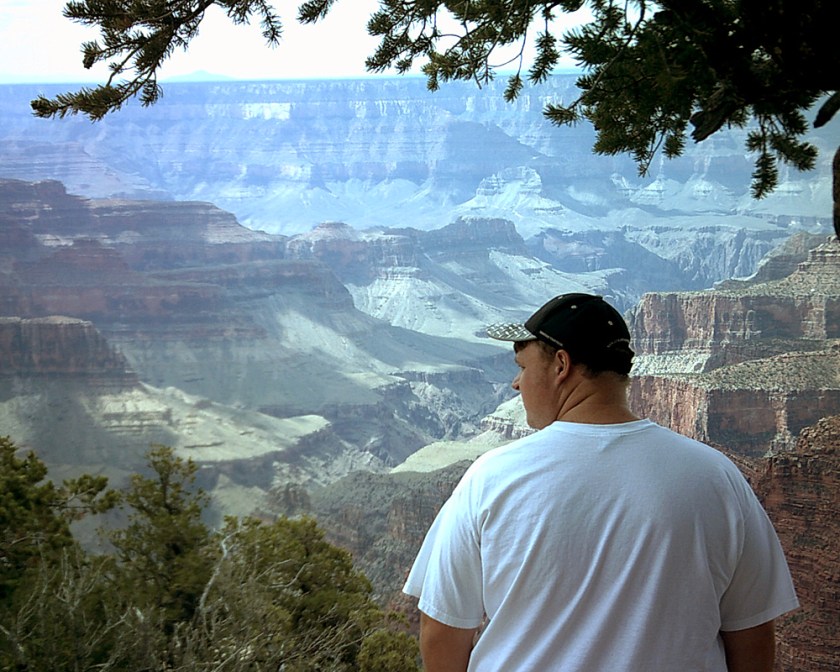
One of those was the Grand Canyon.

We planned to go to the South Rim of the Canyon. We ended up at the North Rim. How, you may wonder? Well, instead of leaving our campground and heading South – like we should have – I navigated the driver north and then went to sleep. Imagine my surprise an hour later when I woke up.

If you’re planning a trip to the Grand Canyon, there are many differences between the North and South Rims. The North Rim is a bit more temperate – we hiked an easy trail without getting dehydrated. I ended up with heat stroke at the South Rim one August with my family. (Bring – and drink – lots of water. Don’t be a stubborn 16 year old.) For more information, check out the National Park Service’s website.

What’s this Road to Nowhere?

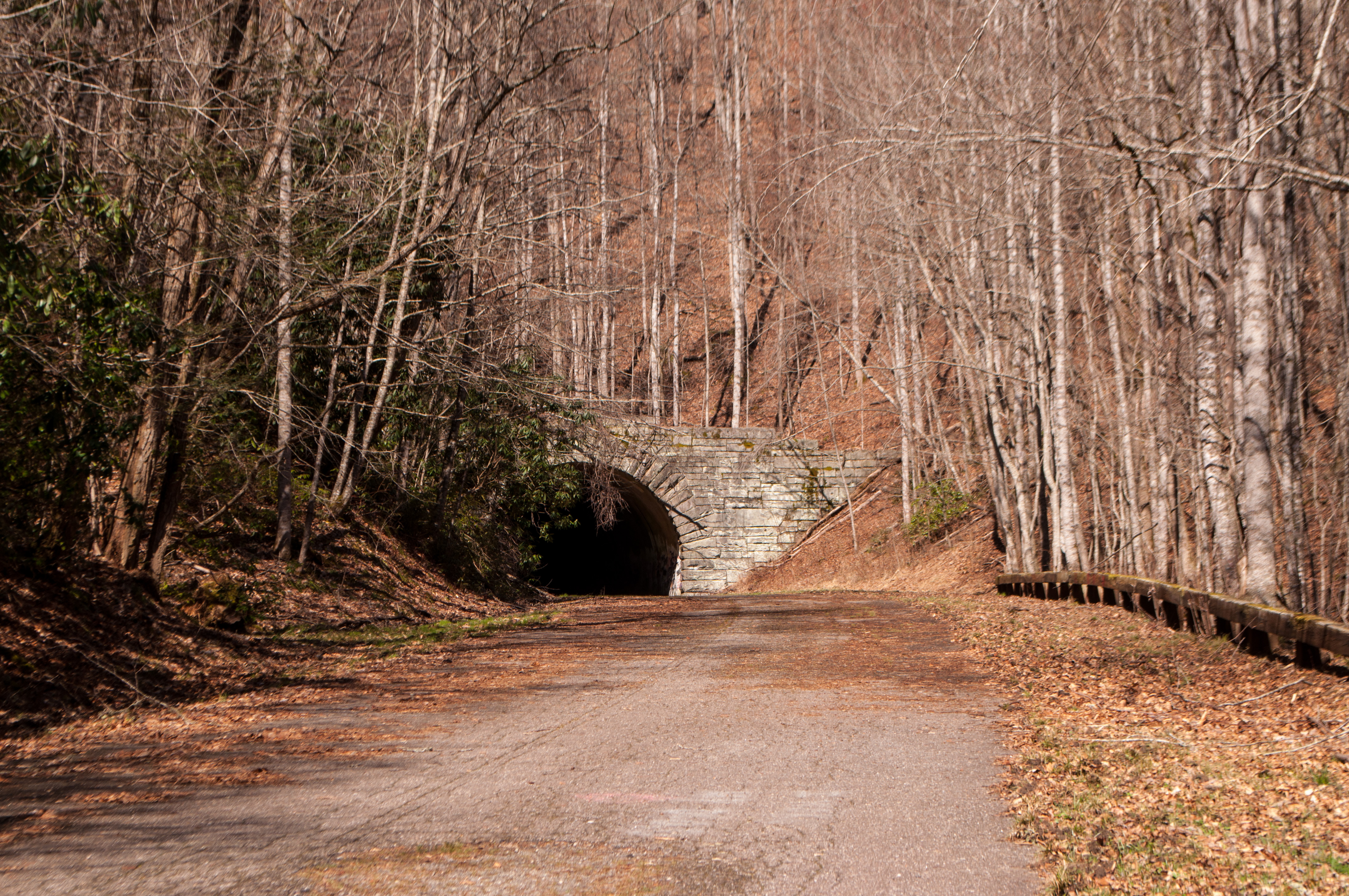
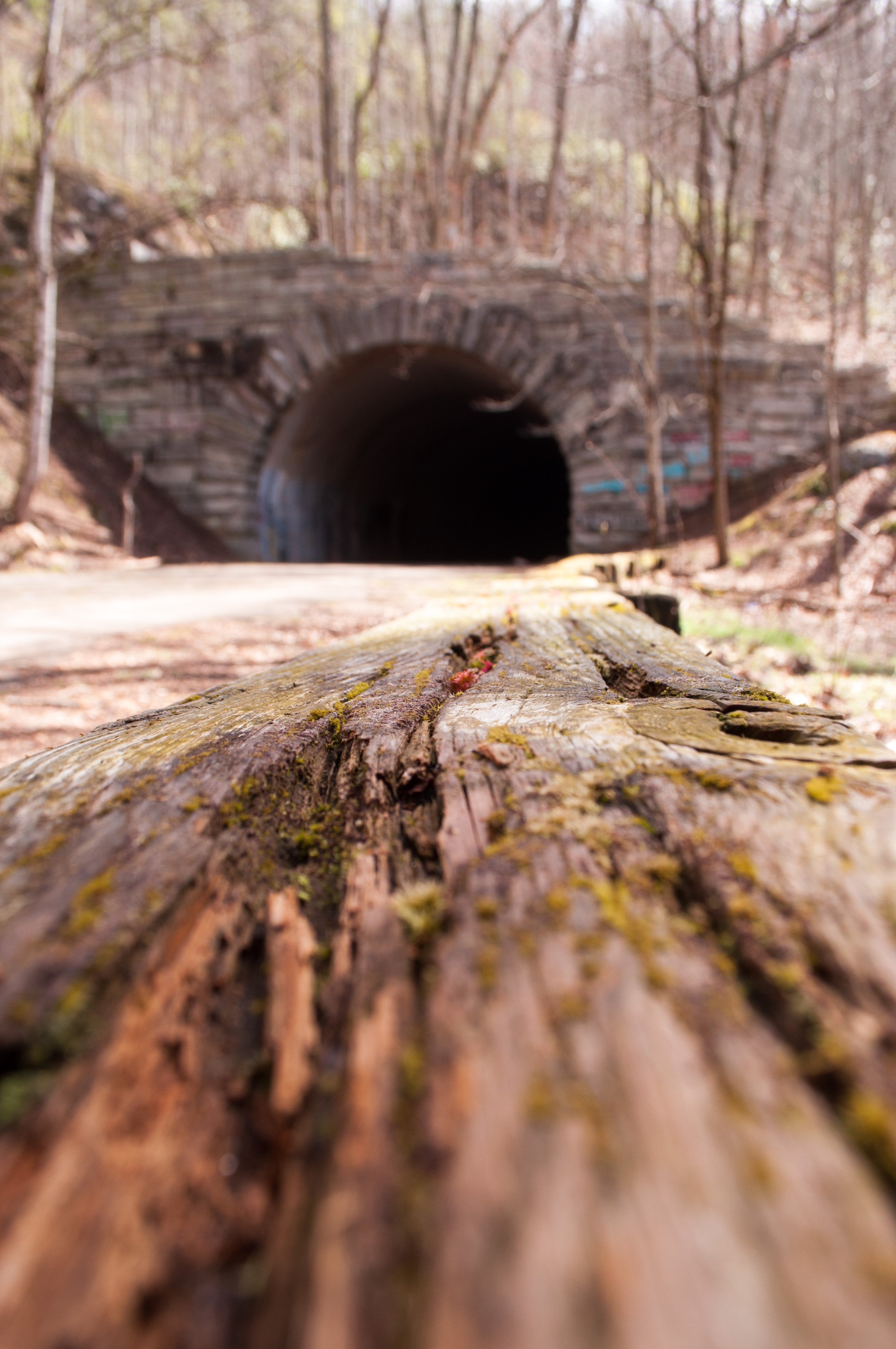
Popularly called "The Road to Nowhere," North Carolina Highway 228 construction was halted in the 1970s due to environmental concerns. Residents of the state fought with the Federal Government until 2010 to receive compensation for the unfinished road.

Popularly called “The Road to Nowhere,” North Carolina Highway 228 construction was halted in the 1970s due to environmental concerns. Residents of the state fought with the Federal Government until 2010 to receive compensation for the unfinished road.

In a complete coincidence, I’m bringing you another tale of controversy in the Great Smoky Mountains National Park’s history. Or maybe it isn’t really a coincidence, its just a throw back to my days of being a newsie. I don’t remember ever actually running around the newsroom screaming, “If it BLEEDS, it LEADS!!!” but knowing me, its entirely within the realm of possibility. Not that I seek out controversy for the sake of it; but it does make for a more interesting plot.

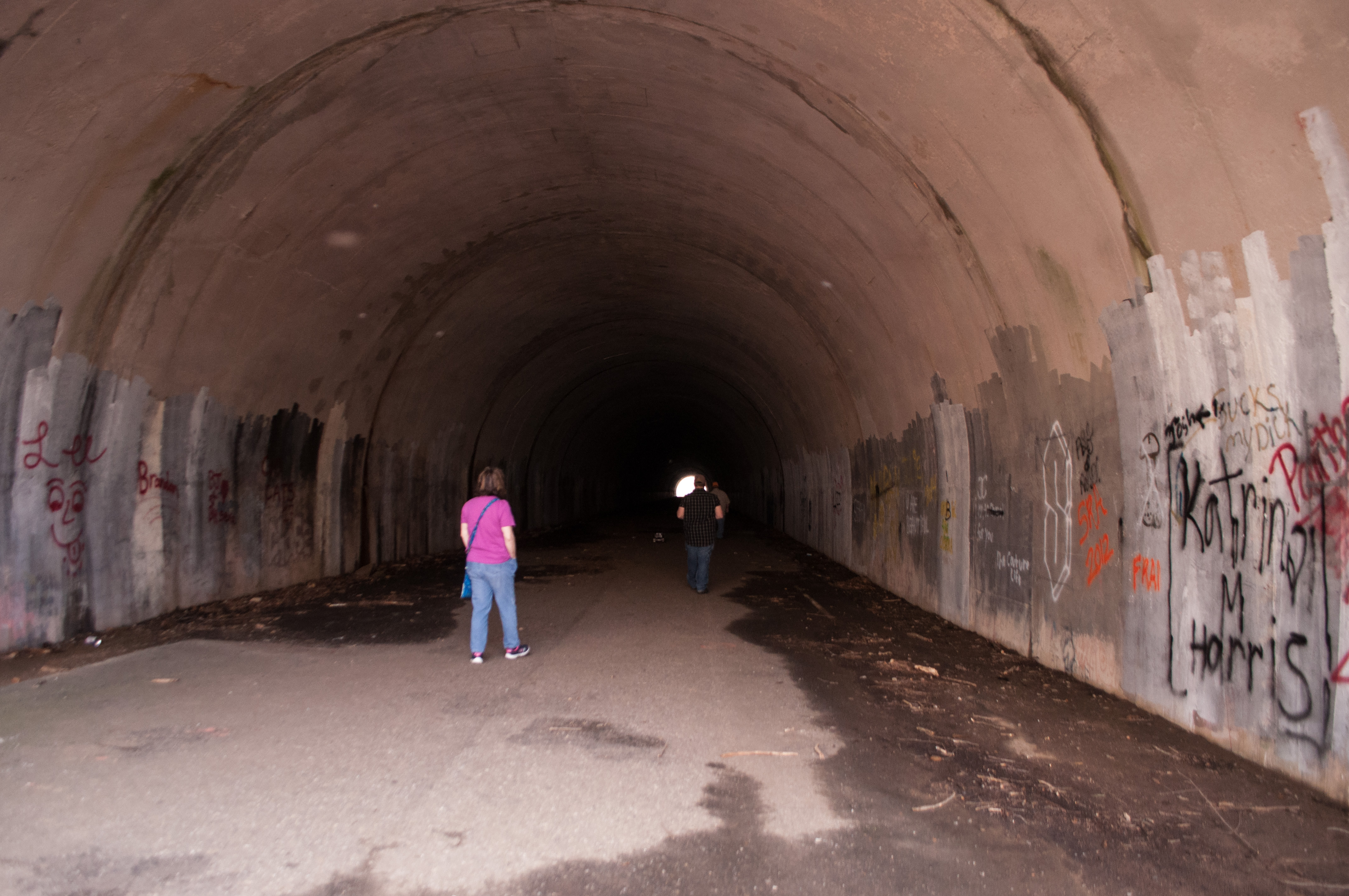
Scene: Another tranquil place in the Smokies. Its late March, around 60 degrees and sunny. Not many birds are out yet, so the only sounds you hear are leaves underfoot and, of course, my breathing. A gentle breeze tickles your arms and makes you grateful for the sun’s warm rays beaming on your scalp. A short walk up a slight incline will take you to the deceptively-long tunnel. I didn’t think there was much to the tunnel, until I was in its belly. Devoid of sunlight, the center of the tunnel swallows any light – including the flashlight on my iPhone that seems so bright when I’m looking for a dropped earring. And remember that gentle breeze? Its turned into a downright cold wind.

I’m visiting Gatlinburg for the second time this year – already more than I’ve been in the last few years. This time around, Mom wanted to go to a quilt show and did not want to go alone. Will I walk around a quilt show with my beloved mother for a nearly-free-for-me trip to Tennessee? Absolutely!

My reward was a day trip into North Carolina the following day. If you go to Bryson City and follow Everett Street out of town, it will dead end eight miles out in the Great Smoky Mountain National Park.

So, why is there this random road that literally goes nowhere? The answer lies some 50 years ago in the mountains.

The players in this drama are The Aluminum Company of America, who had been building dams in the area to provide power to their plants nearby in Tennessee; the Tennessee Valley Authority, who was concerned about the effects of flooding along the Little Tennessee River; and the United States Department of the Interior, the Big Daddy of the Park Service.

DSC_4164When the Department of the Interior was putting the Great Smoky Mountains National Park together in the 1930s and 40s, it acquired vast tracts of land from Swain County, North Carolina. Part of this tract of land included Highway 288, which connected Bryson City with Deals Gap. This road was left alone – until World War II when growing electricity demands gave someone the bright idea of harnessing the power of the Little Tennessee River. Added bonus: creating a hydroelectric dam would also help produce aluminum for the war effort.

By 1935, when the Tennessee Valley Authority got involved, the Aluminum Company of America was working on the Fontana Dam project. The TVA wanted in on the action, but couldn’t get enough funding to complete the dam until World War II broke out and aluminum was in high demand. Once funding was secured, ALCOA signed their land over to the TVA in exchange for the rights to the output of the dam.

DSC_4141To create the hydroelectric power for the factory, a reservoir would need to be created – present-day Fontana Lake. To accomplish this, 1,311 families, 1,047 graves and over 60 miles of roads had to be relocated – including Highway 288. Four towns – Fontana, Bushnell, Forney and Jusdson – would be covered with water. In exchange, the Department of Interior agreed to create a road – or rather, move Highway 288 – that would allow displaced residents passage to the cemetery on the other side of the lake. This road would also grant access to some of the more remote areas of the Park.

The dam was completed in late November 1944, in time for the closing months of the war. Construction of the new Highway 288 was intermittent until the 1970s when it was halted for good. I’m not entirely clear about what, exactly, the environmental concerns were that halted work 40-odd years ago. I read something about construction releasing toxins from the soil and contaminating water supplies, but that was a comment on a road trip website.

With construction stopped, residents became bitter about what they considered a broken promise and the topic became popular fodder for local politicians. Those who wanted construction to continue said the environmental concerns were exaggerated. Opinions are rampant, even among people with no ties to the region except taking a vacation there once.

DSC_4162It looked like construction could resume after funding was secured for the road in 2000 by a North Carolina Senator, but an environmental study released seven years later said that completing construction would cause too much damage to the area. The controversy reached its end when Swain County agreed to take a cash settlement from the National Park Service in exchange for the road.

Today, the road exists as another testament to the evolution of our national park systems and sacrifices that were made to create our public lands. The Park Service operates a boat in the summer that ferries visitors to the old cemetery and trail heads on the far side of the lake. In winter, lowered lake levels allow hiking in the reservoir basin along the ghost of Highway 288.


I rate my adventures based on oxygen tanks, ranking from one to five based on how taxing the activity is on my pulmonaries.

I rate my adventures based on oxygen tanks, ranking from one to five based on how taxing the activity is on my pulmonaries.

The Gus Scale 

I’m rating this attraction a three because even though its a short hike, there is a slight, extended incline. The road continues past the tunnel and connects to several trails, none of which I explored. There are also opportunities to climb some hills around the tunnel to get to the top.


I just want brownies!

I'm trying to make myself eat like a grownup, but will I succeed? Odds are 80/20 that I will not.

I’m trying to make myself eat like a grownup, but will I succeed? Odds are 80/20 that I will not.

I’m about to break another one of my blogging rules and start talking about dieting – er, lifestyle changes.

I’m not sure if its that I’m staring down the big 3-0 or that I’m sick with something for the first time in my life, but I’m beginning to realize that I’m not immortal and if I want to live past 50, I really need to start taking better care of myself. The problem with all this is simple: I don’t like healthy food.

Most of my friends pick on my about my eating habits. I don’t care. I don’t like many vegetables, I like fewer fruits and I don’t CARE. If they go out for sushi, I’m checking the menu for chicken.  Fruit feels weird in my mouth – I don’t like mushy, flaky things with skins. I’ll admit, I do like the flavor of many fruits, its just the texture I have a hard time getting past. And vegetables. Don’t get me started. The only ones I eat are potatoes and corn. Basically, I like good old American, deep-fried Southern cuisine. And while I’d say its OK to eat those things, it doesn’t work when that’s all you eat and you don’t exercise enough to work off all those calories.

And yes, my mother tried to get me to eat things when I was a child. But she’s about as picky as me (pickier if you ask me) and she had epic food battles with her mother when she was a child and didn’t get as hard core with me. I wasn’t forced to sit for hours until my veggies were gone, like she was. But everyone’s been trying to get me to eat them my entire life.

Is it too much to ask to enjoy my food?

Of course, enjoying my food without working off all those calories is what got me in this mess to begin with.

So I’m challenging myself and using this blog hold myself accountable. I’m not going on a “diet,” I’m going on a lifestyle change. Instead of grabbing a bag of Ruffles for a snack, I’m going to grab an apple. Instead of a bowl of ice cream, maybe some frozen greek yogurt. And instead of buying that pack of Double Stuf Oreos, I’m going to get grapes. And as I eat said grapes I’m going to be thinking about those Oreos and be extremely bitter that I’m not having them with a giant glass of

milk. But, in the end, this is going to be worth it. Because even though not one of my doctors have said a thing about needing to lose weight, its very obvious that I am not healthy.

For now, my blood sugar and cholesterol and all that are fine. I’m overweight – but other than an overzealous immune system and, consequently, now-busted lungs – there’s nothing wrong with me – yet. I know that in time, I can develop heart problems, diabetes and other things unless I get healthy. So that is my goal — not a number on a scale, but my health. And as a side effect, as the weight comes off and my overall health improves, my theory is that my breathing will improve too.

To get me started, I have a refrigerator full of grapes, watermelon and yogurt and a cabinet full of health(ier) alternative snacks such as dried fruit. So here’s to Week 1 of my Lifestyle challenge; wish me luck! I’m going to try to ignore what’s left of those Oreos on the shelf.

Ghost Town in the Smokies

As we’re rustling though wet leaves, its hard to imagine that this tranquil plot of land has been the subject of so much controversy. In fact, its pretty easy to overlook the community entirely. The only sound is some laughing teenagers somewhere around a bend in the road ahead, and, if you’re close enough, streaming water from the Little River.  If not for the leafless trees granting glimpses the near century-old vacation homes, you wouldn’t even know they’re there.

DSC_3875Elkmont started as a logging base in 1908. Within a couple of years the logging company had a bunch of cleared out land and no way to make more money from it, so they started selling plots to hunters and fisherman, drawing outdoor enthusiasts out to the wilderness of the Smokies. Cottages and hotels started popping up on the mountain and an elite social club – the Appalachian Club – was established. But not everyone carried enough snobbery to get into this club, and the Appalachian Club rejects wanted their own fraternity as well. So, made their own group – the Wonderland Club – and Elkmont continued its transformation to an elite vacation spot for wealthy Tennesseans.

To keep shuttling people into Elkmont, the logging company let people travel in on its railroad, even creating a nonstop shuttle from Knoxville. But once the loggers had finished with the mountain, they left like a thief in the night and took their railroad tracks with them.  Of course, the Appalachian Clubbers – including the then-Tennessee governor – and their lower-class counterparts the Wonderland Clubbers were not to happy about this. But never fear – the path left by the railroad was perfect for roads, so transportation was soon restored and everyone went back to their hunting, fishing and socializing.

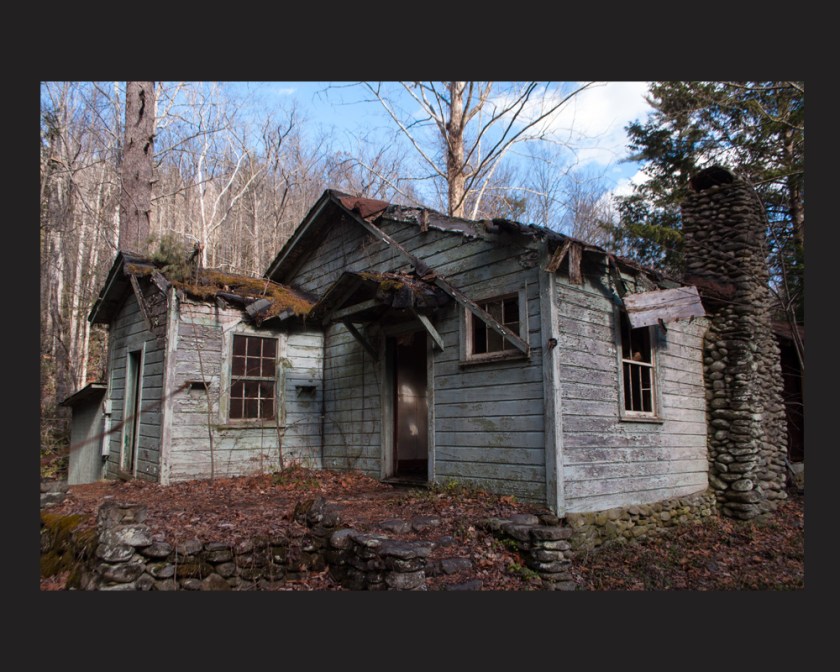
DSC_3952When my parents visited Elkmont last summer, they walked past several of the decaying dwellings before they realized there was anything around the path. Some of the old homes from Elkmont — those that were determined to have some kind of historical significance — have been moved to a display of sorts called “Daisy Town” that’s maintained by the National Park Service. But the ones that remain are in various states of disrepair. The decision to let these cabins be claimed by the mountains was about 50 years in the making.

With controversy one – the railroad debacle – out of the way, Elkmonters moved on to what would become controversies two through 575, and all because someone went to Yellowstone.

Willis P. and Anne Davis suggested creating a National Park in the Smokies, but didn’t follow up on it. However, David C. Chapman took the idea and shared it with some influential Tennessean legislators. (Remember the Appalachian Club? Friends in high places.) Once the National Park designation started rolling, opposition sprang up. A group consisting of logging companies and mountaineers wanted to have the spot designated a national forest instead of a national park – because that would give them more freedom to use and develop the land instead of it being returned to and maintained in its natural state.

DSC_3962They ultimately lost that battle, but their fight did result in Elkmonters being excluded from eminent domain. Instead, they were able to sell their land for half its value and get lifetime leases in return. These leases let the owners keep the land until the last person on the deed died, and then the property would go to the park. People in other parts of the park weren’t so fortunate; many of them were forced to sell their land to the Park Service and relocate.

These lifetime leases were renewed in 1952 and 1972, but not in 1992. By that time, the area was again wrapped in controversy.

The park’s management plan at the time called for all of the Elkmont buildings to be removed so the area could be returned to its original, wild state. But all that changed – again – in 1994 when several buildings were placed on the National Register of Historic Places. A 15-year debate ensued. On one side were the conservationists – those who wanted everything removed and no trace of humans left. On the other – those who wanted to preserve the area, or at least the parts that represented the history of it. Finally, a compromise of sorts was reached. The Park Service decided to restore the Appalachian Clubhouse and 18 other cottages and outbuildings. But while the argument raged, the Wonderland Hotel, among other buildings, had already decayed to the point of collapse and the even the buildings they decided to keep had fallen into greater disrepair.

Today, you can see the cottages that were kept in “Daisy Town” or rent the restored Spence Cabin. If you’re feeling outdoorsy, you can reserve a spot at the busy Elkmont Campground and pick up one of the trailheads in the area.

Overall, the area is very accessible. Daisy Town has convenient parking and is mostly level. The road and paths that took us through the abandoned homes were also mostly level, but there were some inclines.  I’d rate it a three on the Gus Scale.

To get there, take Little River Road past the Sugarland Visitors Center and follow signs to the Elkmont Campground.

#TBT: The elusive Golden Gate Bridge

#ThrowbackThursday: Each Thursday, I revisit a past adventure and publish more of the story than made the first cut.. Beginning the series, I will be recounting parts of the Gypsy Trip – a cross-country endeavor in 2010. 

caption here

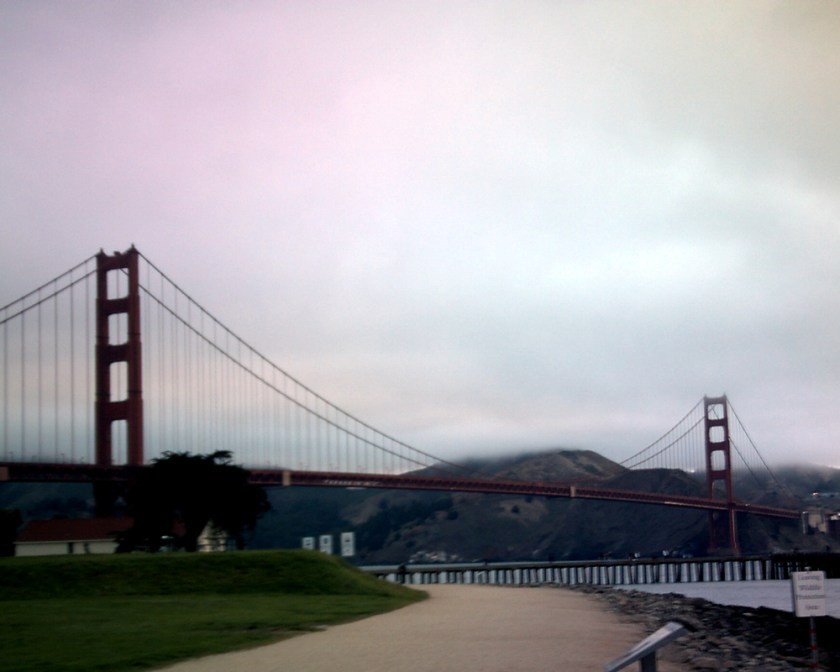
Who knew finding this bridge would take the better part of an afternoon?

The first telling of this story didn’t even include any part of this week’s #TBT, probably because all I was thinking about that night when we turned in was the prospect of continuing our drive up the West Coast. At this point we were nearing the end of a 13-day roadtrip and the only things we really planned to do in San Francisco was to find the Golden Gate Bridge and drive Lombard Street. For those of you who may not know, Lombard Street is called the “crookedest street in the world” because it contains eight switchback turns to get travelers down its steep precipice.

You would think that with all the research that occurred before the trip and the GPS that came loaded in the rental car we wouldn’t have any trouble finding these two well-known San Francisco icons.

Think again.

Our search for Lombard Street was fruitless so we turned our attention to the bridge, finding it only as the sun was setting.

Consider Lombard Street on my #BucketList for my next trip to San Francisco.